


-
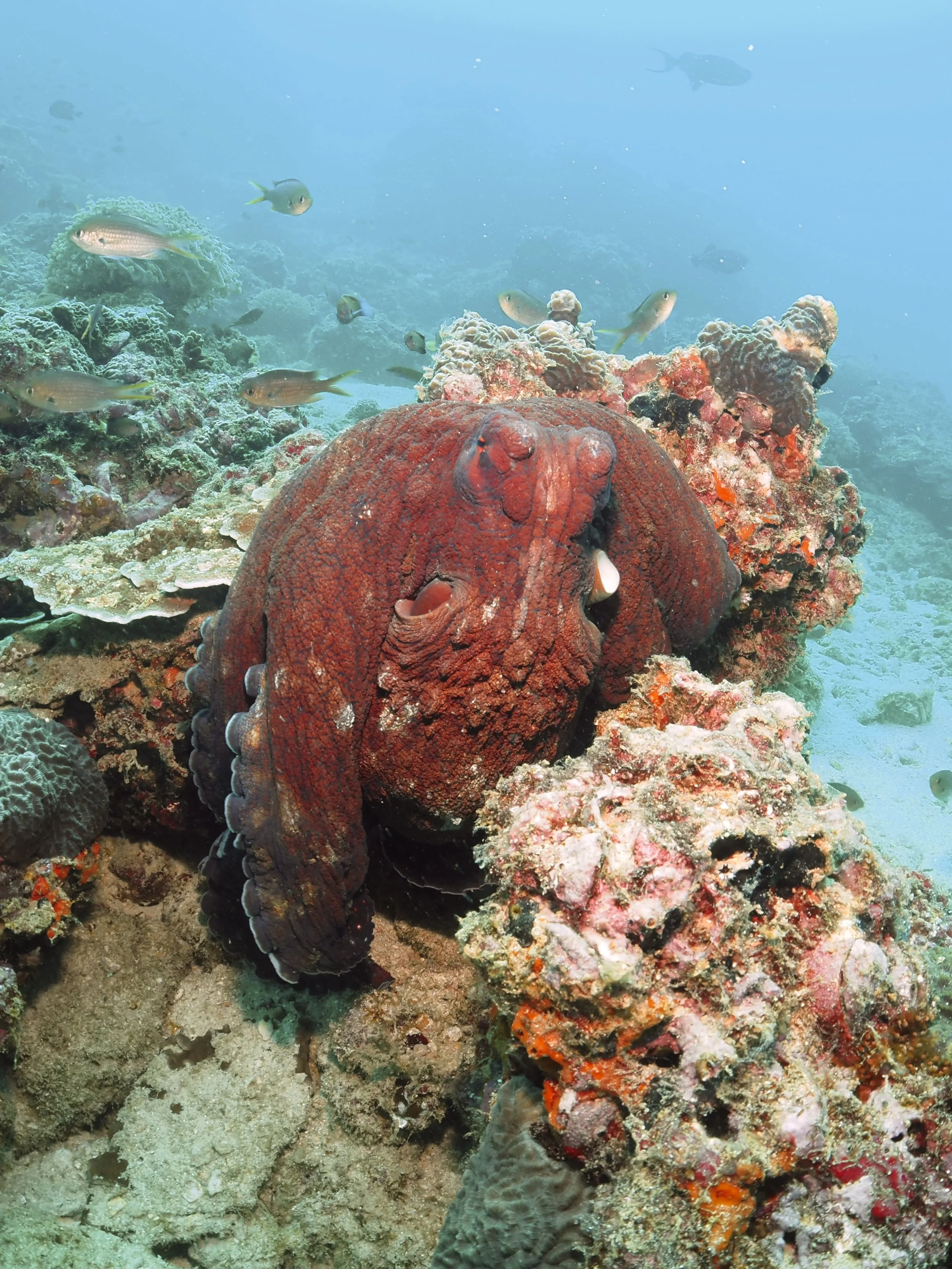
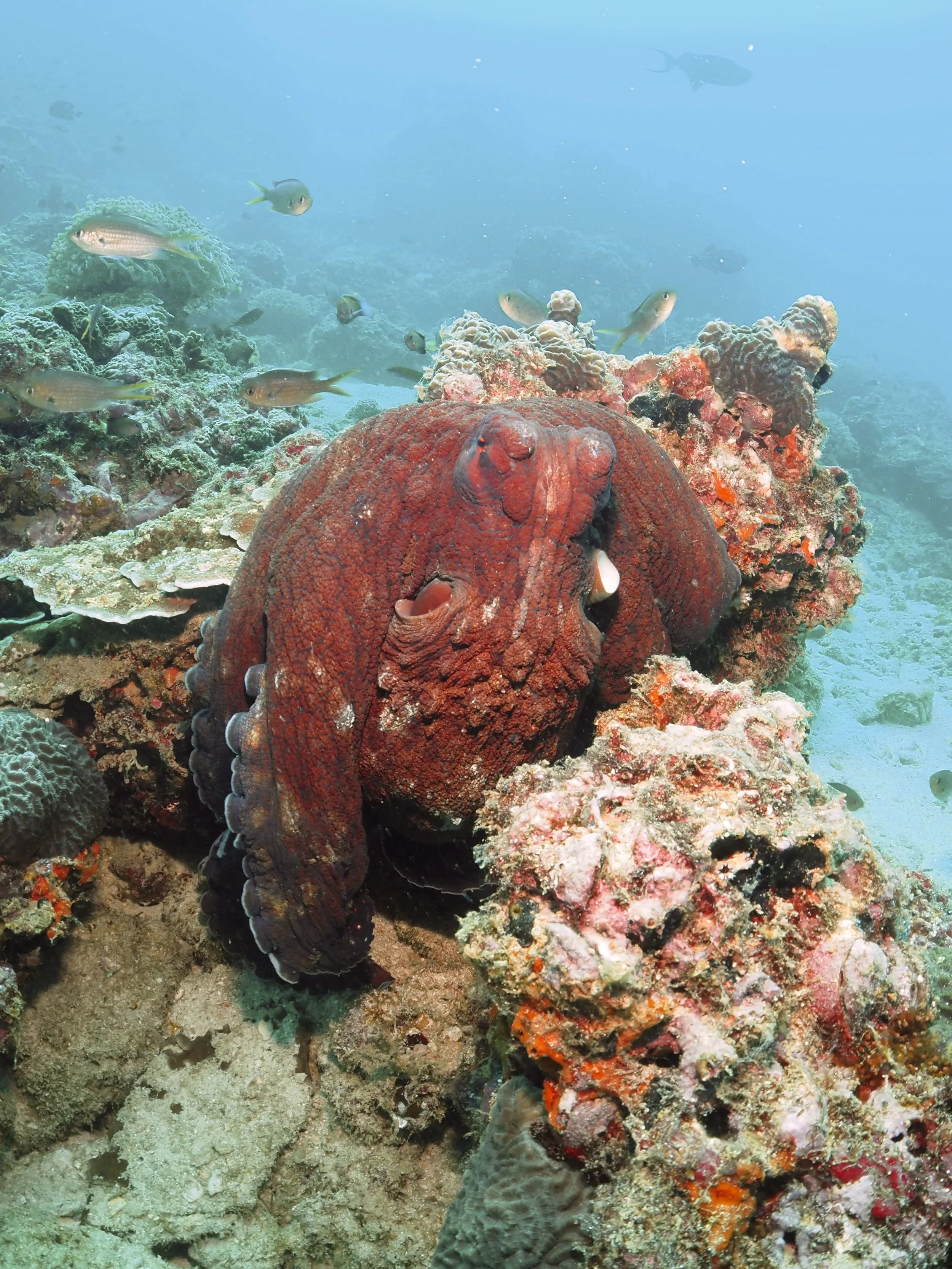
Octopus, turtles, leopard sharks, whale sharks
-
May - December for best visibility
July - late September for whale sharks
-
The Daymaniat Islands, Qantab, and the Musandam Peninsula

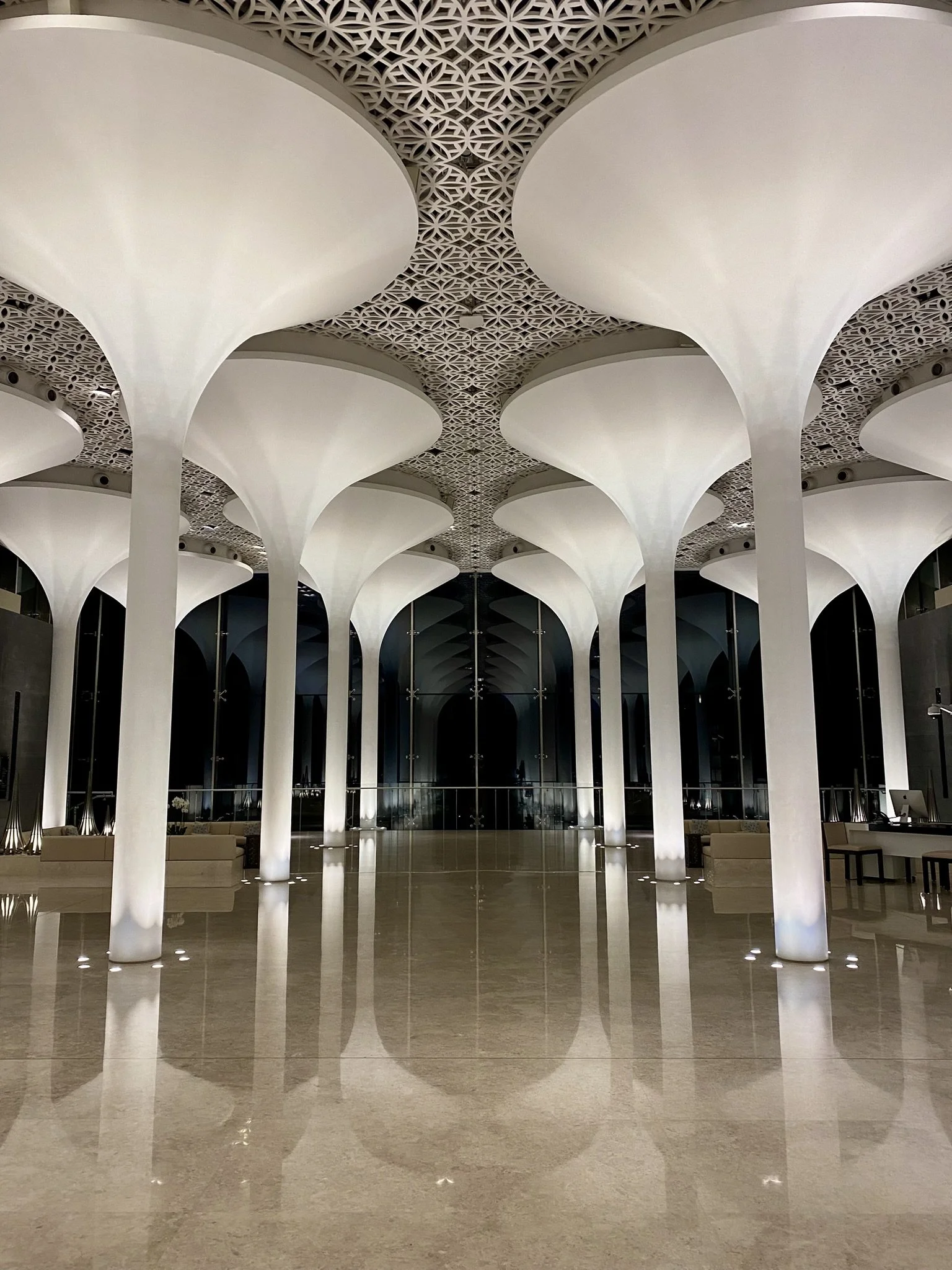
The vibes
Oman is rich in cultural and architectural history. With ancient forts and souqs peppered throughout the country, you can feel like you’re stepping in to a scene from Aladdin.
If history is not your thing, you can just relax in the luxury of Omani hotels, and sip a cocktail poolside after a fun day of diving.
Visiting the country as a female felt very safe, driving was a breeze, and the locals were friendly & helpful.
Good to know
As an Arab country, it’s important to respect the local culture when visiting Oman. Men and women should dress conservatively outside of the hotels by covering shoulders and knees (when on snorkel/dive boats, or at your hotel, you can wear a swimsuit or shorter clothing).
The local language is Arabic. Hotel workers speak many languages, and taxi drivers etc. may speak some English. It’s always helpful though (& appreciated by locals) to learn a few words of Arabic before you travel - I spoke some of my basic Arabic to my taxi drivers and they loved it!
Top tips
Download the Otaxi app before you arrive, so you can hit the ground running with ordering taxis/knowing what the price should be.
Most places will accept cards, but make sure you have enough cash on hand for the souqs and taxis.
Daymaniat Islands

Overview:
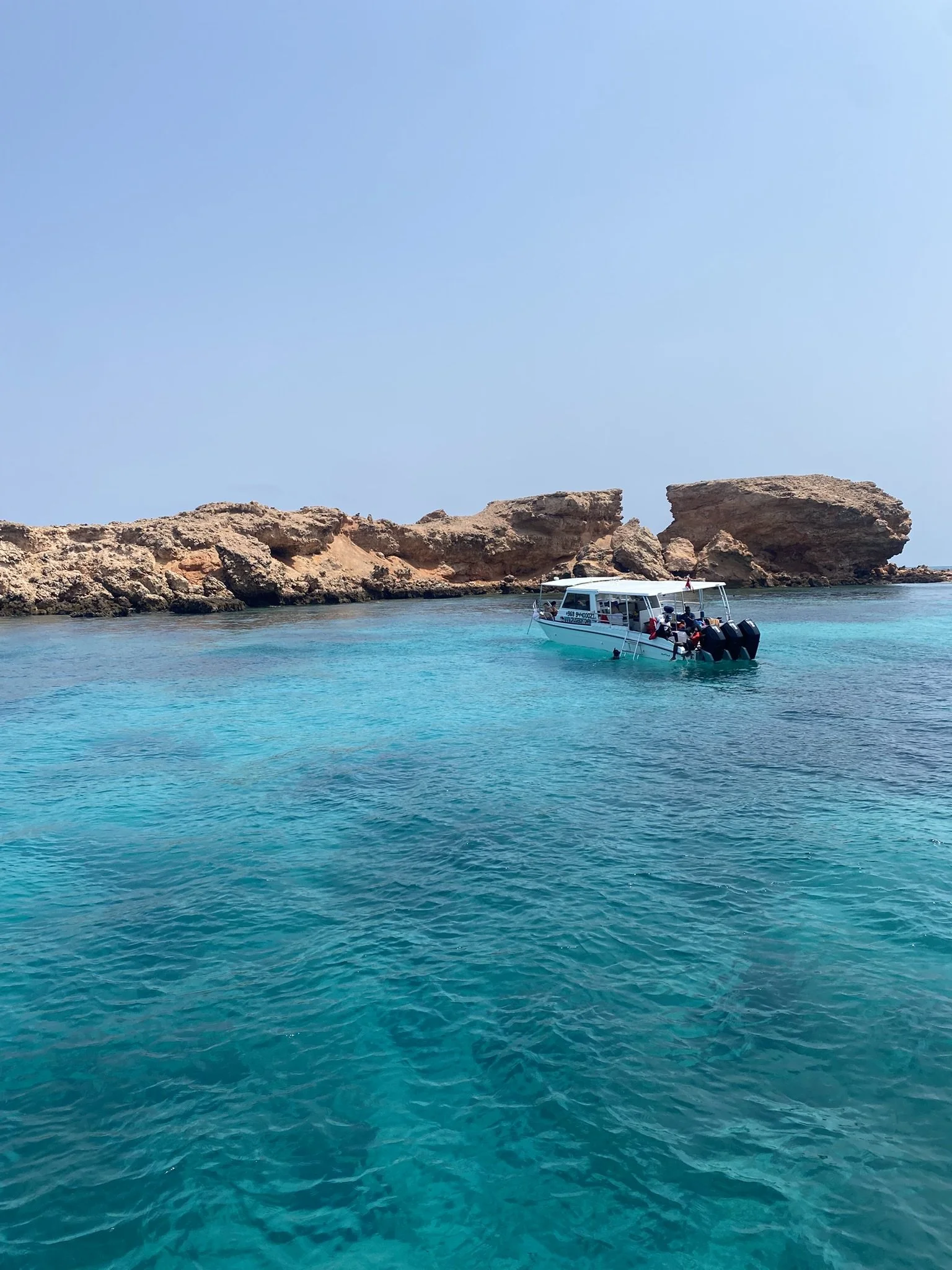
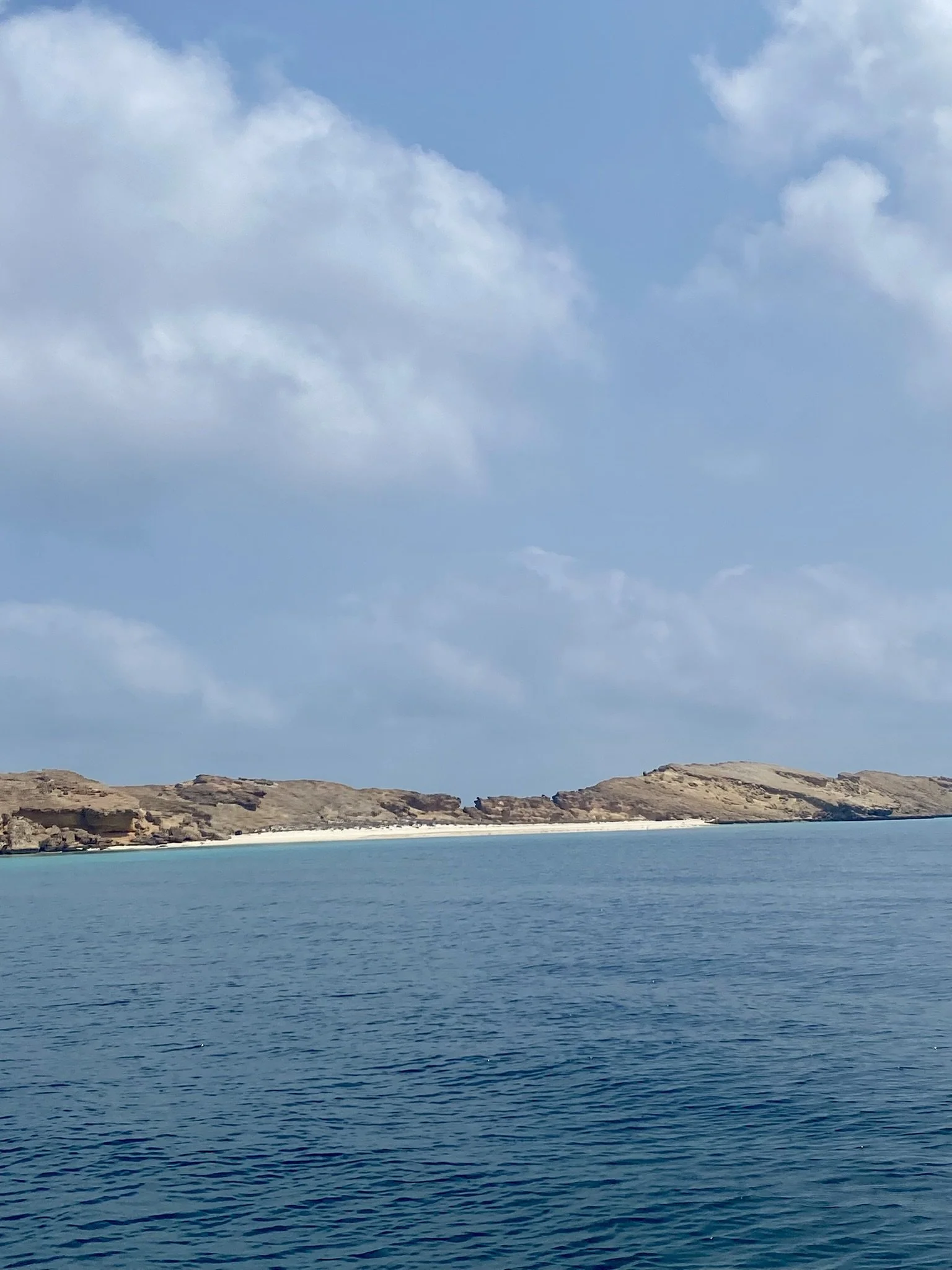
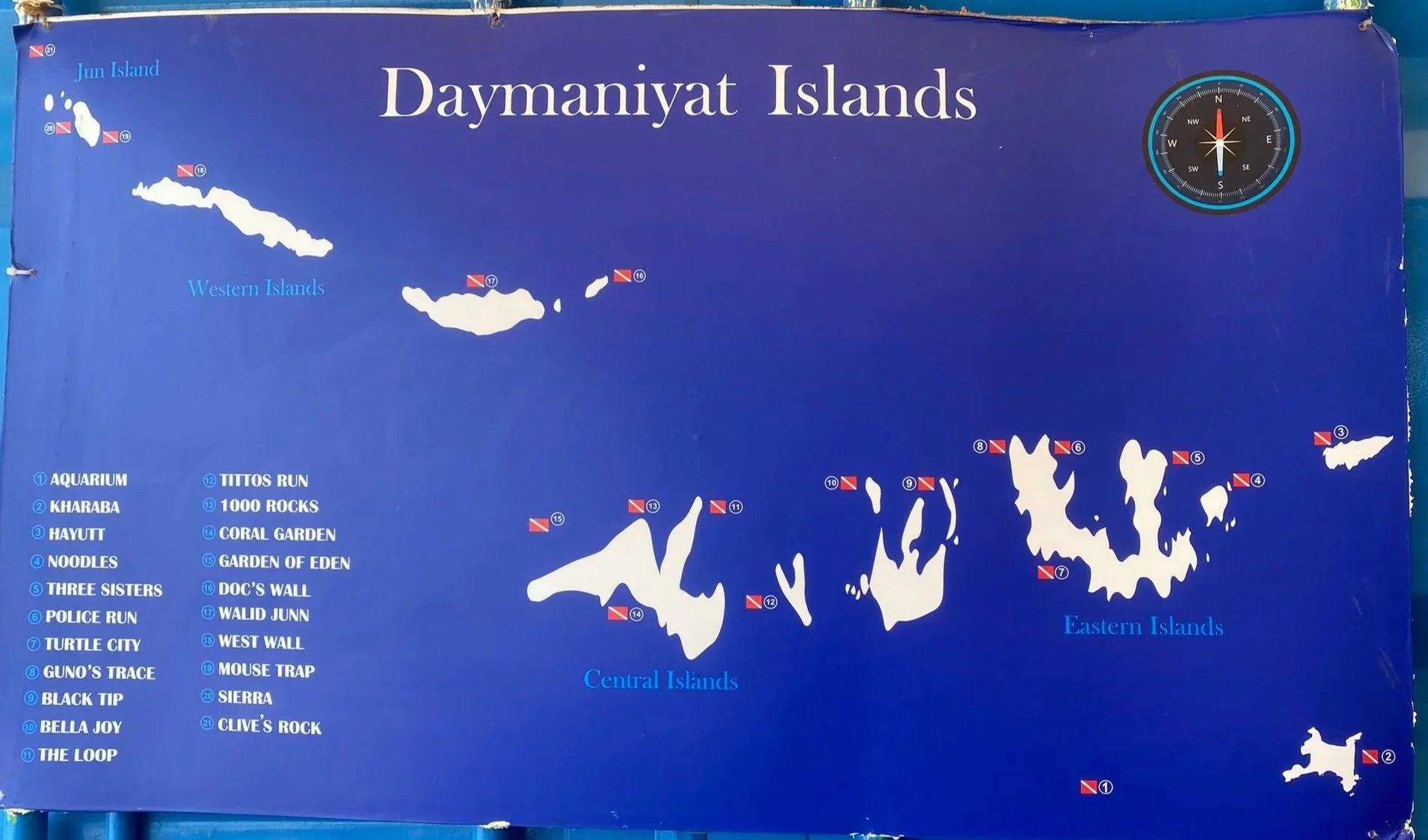
The Daymaniyat Islands are a group of islands off the coast of Muscat, roughly a 40 minute boat journey away. They are the go to dive location for the Muscat area.
How to get there:
The dive and snorkel companies are located either in Al Mouj Marina, a modern neighbourhood slightly west of the city of Muscat, but conveniently only a 10 minute taxi ride from Muscat International Airport, or in Seeb which is a bit further up the coast from Al Mouj.
Dive sites:
Dive sites are scattered throughout the islands, with options for novice divers (shallow, sheltered bays) and more advanced divers (currents or exposed entry/exits).
Exposure suit:
I dived in September & used a 3mm wetsuit with no hood which was sufficient for the top 15m. Below the thermocline I would often feel blasts of cold water, which was a little chilly in the 3mm, but most of the dive was spent above 15m. If you visit later in the winter, water temps can drop to 21-24 C, so a thicker (5mm or 7mm) wetsuit and hood is recommended. In the peak of the summer (July-August), the temps can reach 28-30C.
Visibility:
The best visibility at the Daymaniyats can be found from May to December. I dived here in September, and the visibility was pretty good although with a brownish tint to it. January to early April are the worst months for visibility, with lots of algae in the water column.
When to visit:
I think September is the sweet spot to visit, as it intersects manageable air and water temperatures, whale shark season, the best visibility, and less crowds. If you visit in the summer (June-August) be prepared for very high air temps. If you visit in the winter (November - April) be prepared for busier hotels, colder water and poorer visibility, and bring cozy layers for the boat journey!
Dive Providers
For diving at the Daymaniyat Islands, the dive centres are located at Al Mouj, a modern marina community, or Seeb Marina - both situated to the north of Muscat.
-
Located at Al Mouj Marina. Dive and snorkel trips. I dived with Mola Mola and can personally recommend them.
-
Located in Seeb Marina. Dive and snorkel trips. Recommended by a colleague of mine but not personally experienced.
-
Located in Seeb Marina. Diving and snorkelling trips.
Where To Stay
I recommend staying at Al Mouj or Seeb Marina for ease of access to the dive centers. I stayed at Al Mouj and enjoyed the safe, modern waterfront community, conveniently close to the airport.
-
A 5-star luxury hotel with a beach front infinity pool to relax by with a beer or cocktail after a day’s diving. I stayed here and found a reasonable deal on Booking.com. Walking distance (~ 10 minutes) to the marina & dive centers through the safe, quiet Al Mouj neighbourhood.
-
Higher end but not quite as pricey as the Kempinski. The Mysk is front & central in the marina, a stone’s throw from the dive centers and restaurants. Relax by the rooftop pool after a day’s diving.
-
For a more budget friendly option outside Al Mouj, check out the Wave View hotel. You’d probably want to flag a taxi to get to the Al Mouj marina from here.
Land-based Fun
Al Mouj and Seeb Marina are a short-ish taxi ride in to central Muscat to check out some culture. Or hire a car & explore some beautiful sites further afield.
-
Check out Mutra Souq, the Royal Opera House, Sultan Qaboos Grand Mosque, and the Palace.
-
Rent a car and take the easy drive up into the mountains to visit historic Nizwa fort and souq.
-
Rent a car and visit some of the many wadis and sinkholes, such as Wasi Shaab, Bimma Sinkhole, and Wadi Tiwi.
Other Dive Locations
Musandam Peninsula
Overview:
The Musandam Peninsula forms the northeastern tip of the Arabian Peninsula, reaching up to the Strait of Hormuz. It belongs to Oman, but is separated from the rest of Oman by the UAE. It is characterized by isolated fjord-like landscapes with steep cliffs and pristine beaches. Whale sharks and dolphins can often be spotted.
How to get there:
To access the Musandam peninsula, you’ll need to fly to Dubai or Abu Dhabi and drive to Musandam (rental car or shared transport), which takes approximately 2.5 hours. You’ll need to check visa requirements for UAE and Oman. If renting, make sure you have insurance to cover you in Oman as well. As diving in Dubai and Abu Dhabi is not great, many local UAE divers make weekend trips to Musandam to dive. Khasab is the capital of Musandam Peninsula, and most dive trips leave from there. Several dive operators are located in Khasab.
Dive sites:
Over 30 established dive sites are scattered across the coast of the peninsula, with a depth up to 35m. Diving is done from a traditional dhow or speedboat. There is a mix of drift, wall and wreck dives and, due its more remote location, you may get the dive site to yourself!
When to visit:
You can dive year-round, but September to April brings calmer weather and seas, better visibility and cooler air temps. September to December is ideal, as the water is not too cold yet.

Qantab (Bandar Khiran)
Overview:
Qantab is a small village south-east of Muscat, nestled among rocky bays. From here, you can enjoy shore-diving or boat diving.
How to get there:
You can take a taxi or rental car from Muscat Airport for the short drive to Qantab. It is roughly 40-minute drive from Muscat International Airport, or 25 minutes from Muscat. Some smaller accommodations can be found in the village itself, or higher-end resorts are located along the coast just outside of Qantab, such as the Shangri-La resort which hosts Qantab Divers who seem to be the recommended operation for diving in Qantab.
Dive sites:
The best dive sites are located around Bandar Khayran and Fahal Island, a 15 to 30 minute boat ride away. These sites offer drop-offs and coral gardens abounding with reef fish, morays, turtles and, if you’re lucky, reef sharks. Bandar Khayran also offers wreck diving, with the Al Munassir wreck, deliberately sunk in 2003. This wreck lies at 30m depth.
When to visit:
Check out the recommendation for Daymaniyat Islands!
-
I only had a short time in Oman (4 full days), so I opted for staying at Al Mouj and enjoying 2 days of diving at the Daymaniyat Islands. I chose to dive with Mola Mola Divers, as they had good customer service/responses via WhatsApp, an informative website, and good reviews. All the boat trips to the Islands have an early start - for Mola Mola we met at the dive shop at 8am.
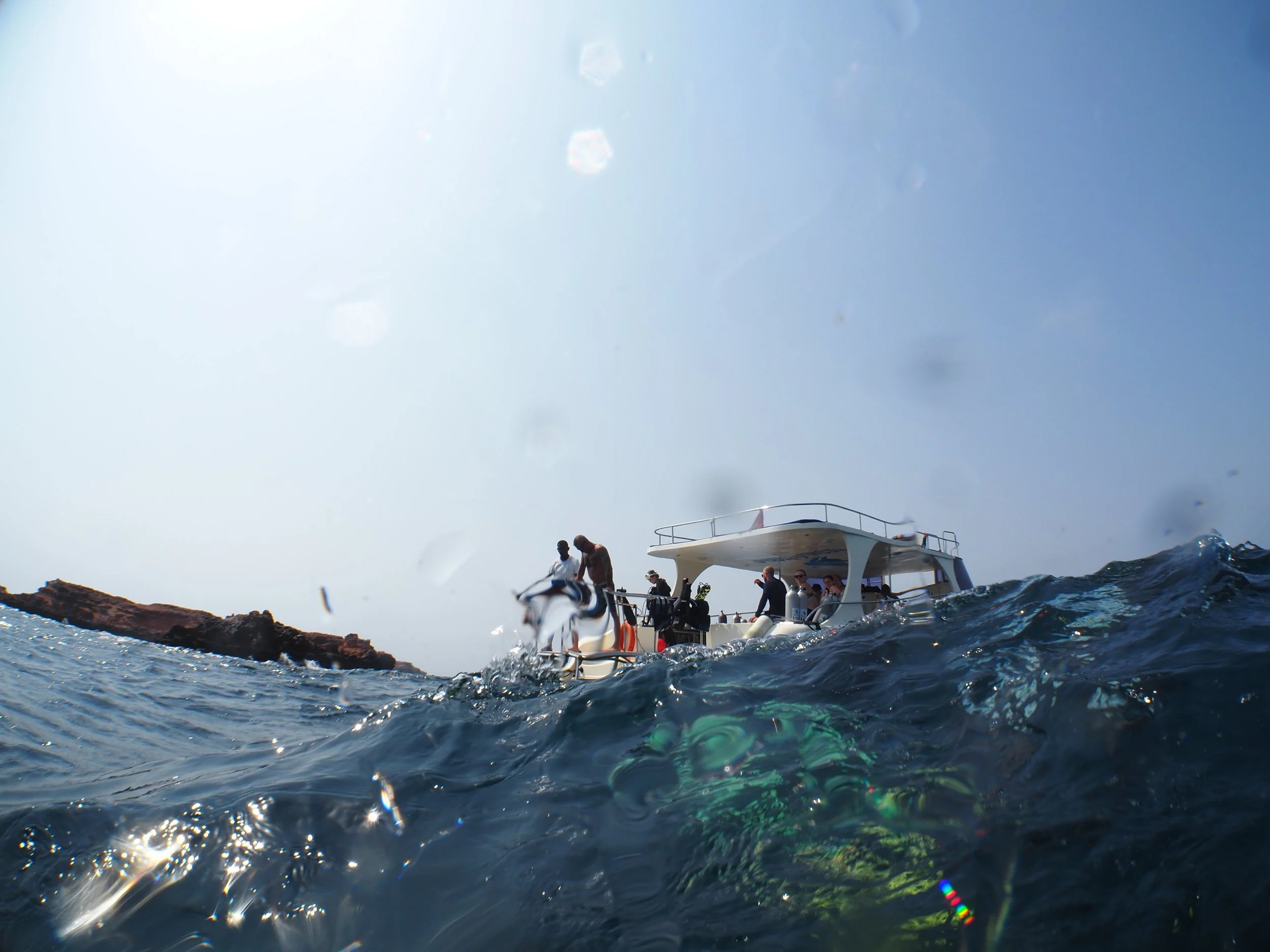
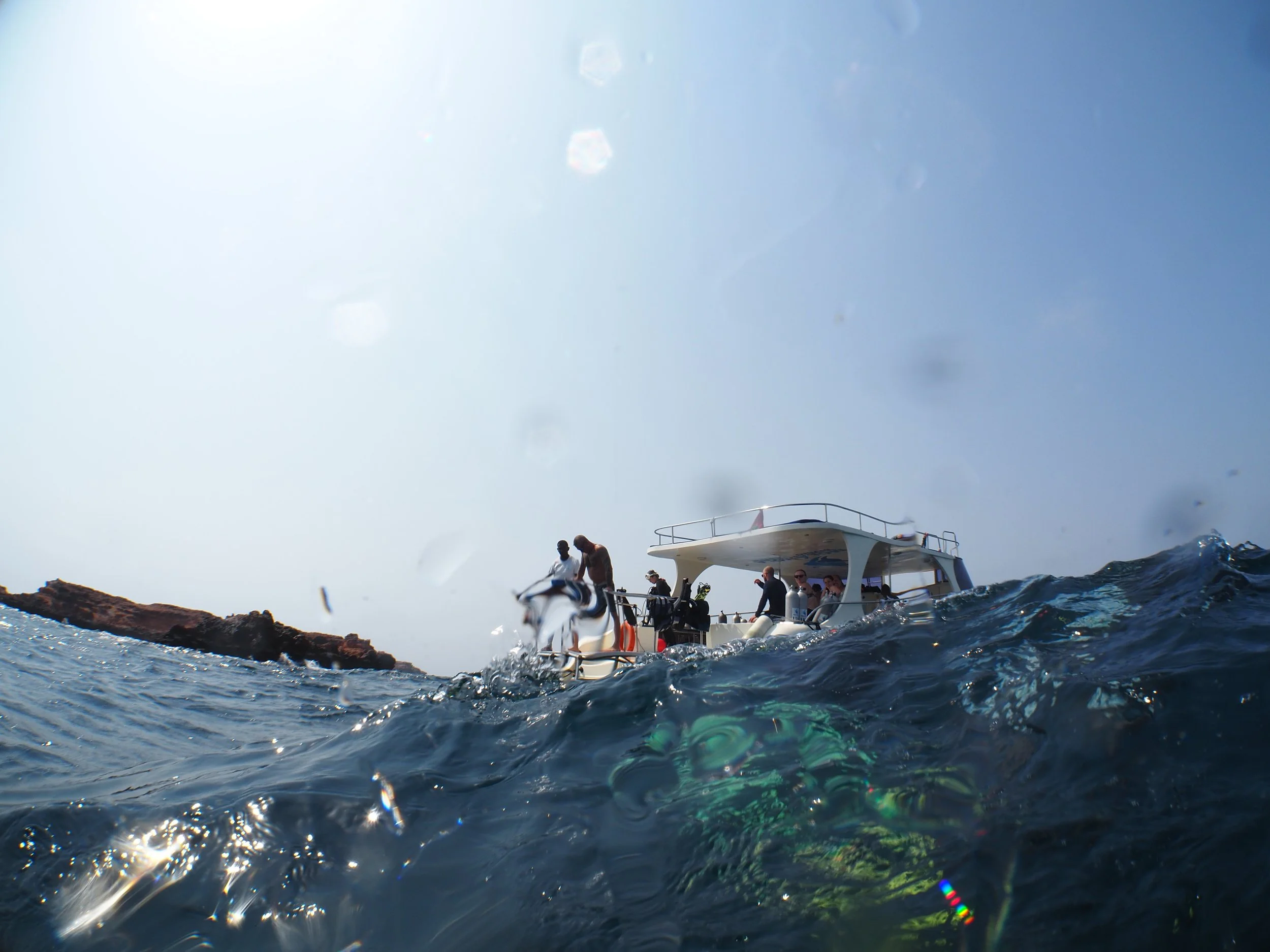
After leaving Al Mouj, the boat has to cross an open stretch of ocean. This is often when you can be lucky enough to spot whale sharks during whale shark season (July - late September)! If a whale shark is spotted, the boat crew will stop the boat and let the guests slip in to snorkel with the whale shark. It is fairly rare to see the whale sharks whilst diving at the Islands. Unfortunately, on the 2 days that I was diving there was a fair amount of chop and swell which meant that it would be impossible to spot a whale shark. The swell also meant the boat ride was a little… bumpy. So if you suffer from sea sickness, be sure to take some tablets with you.
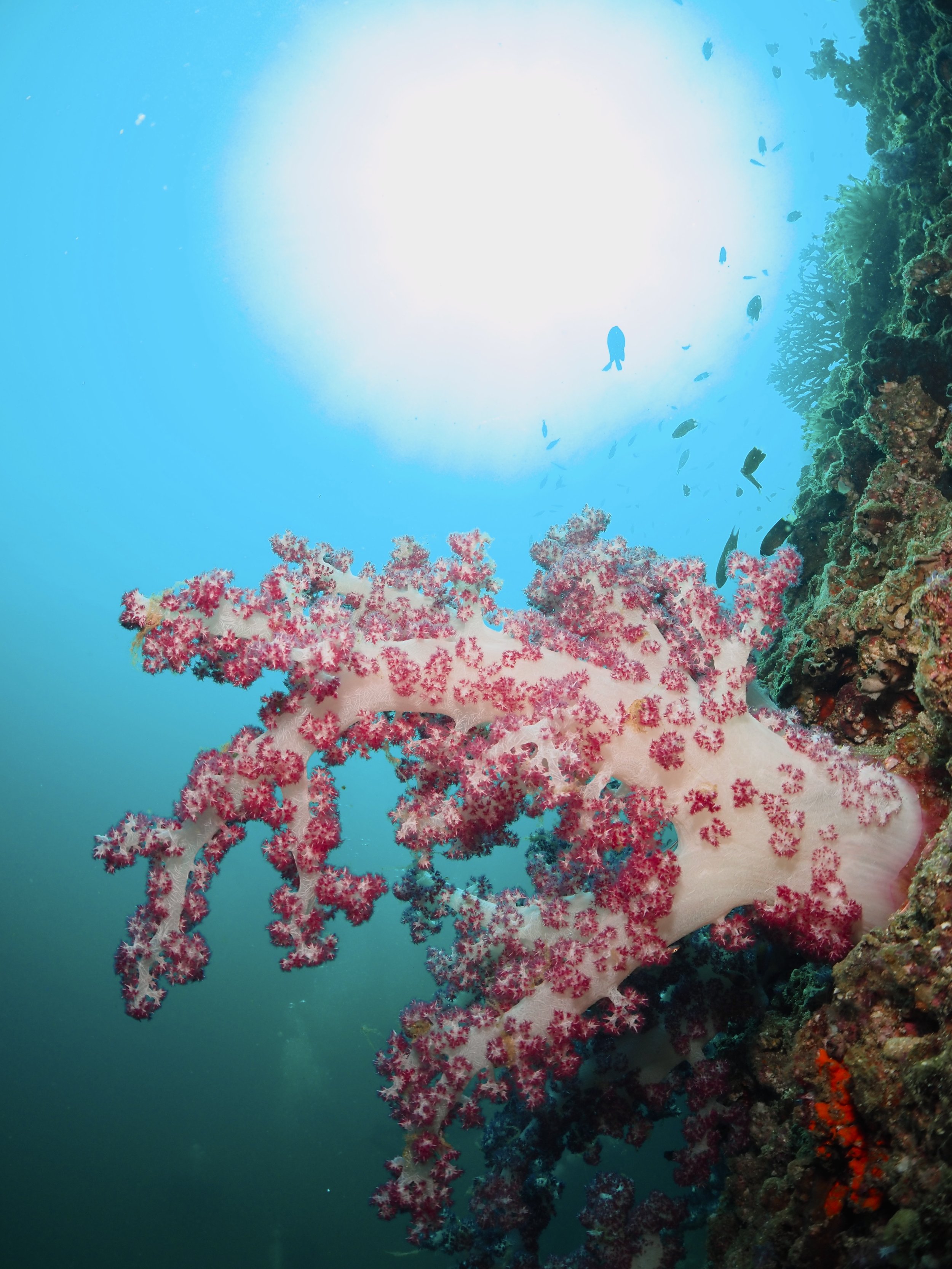
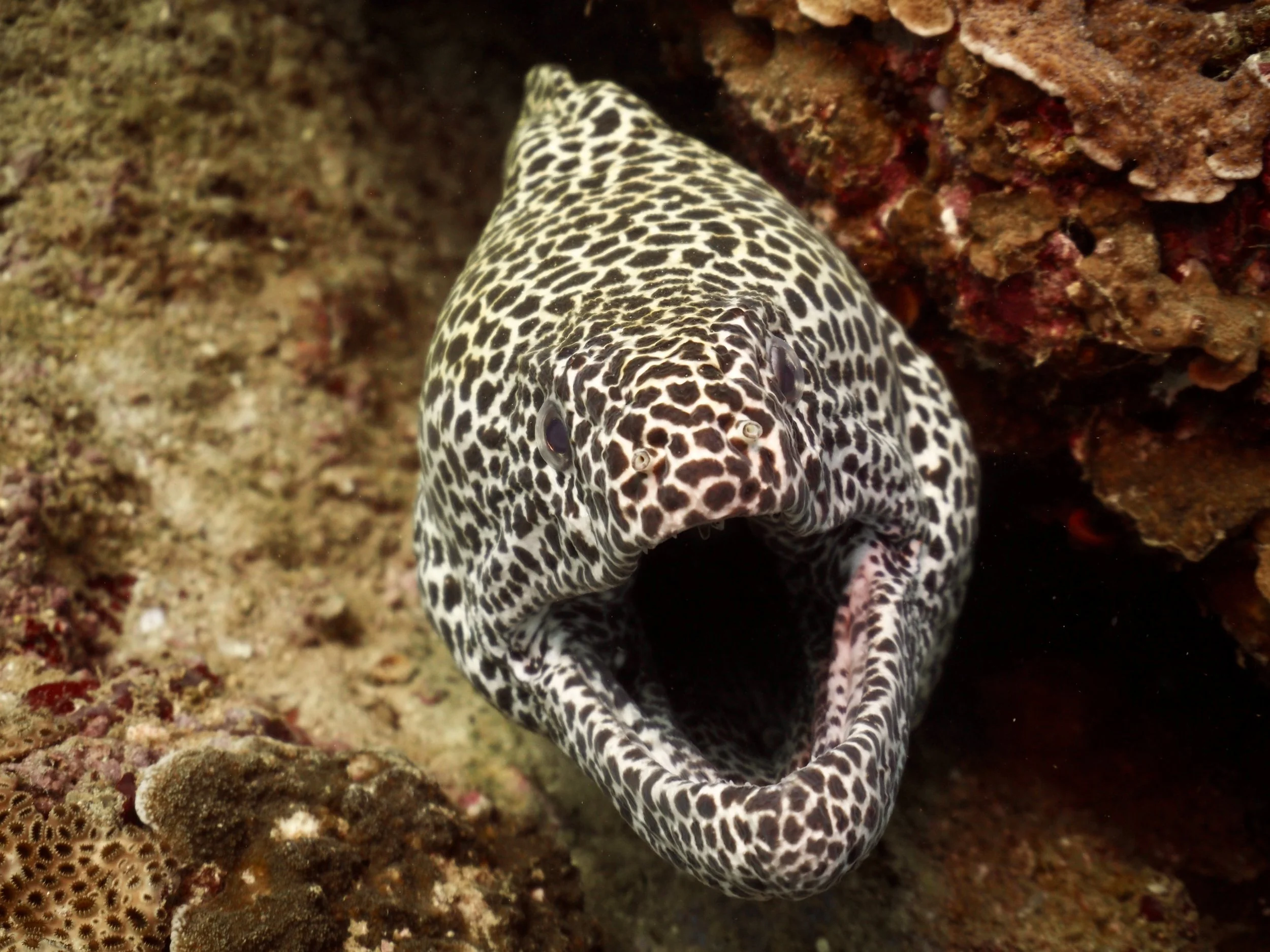
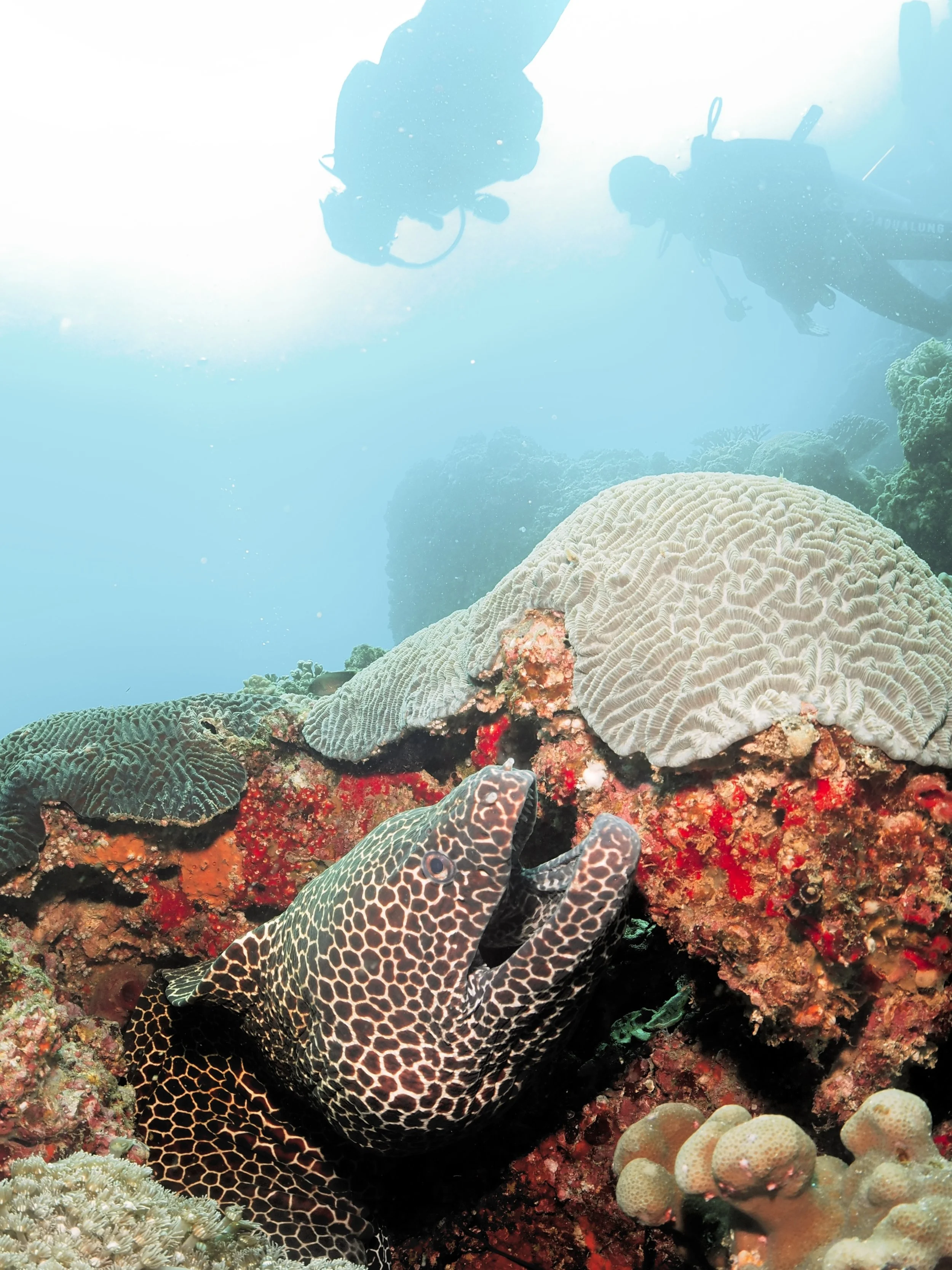
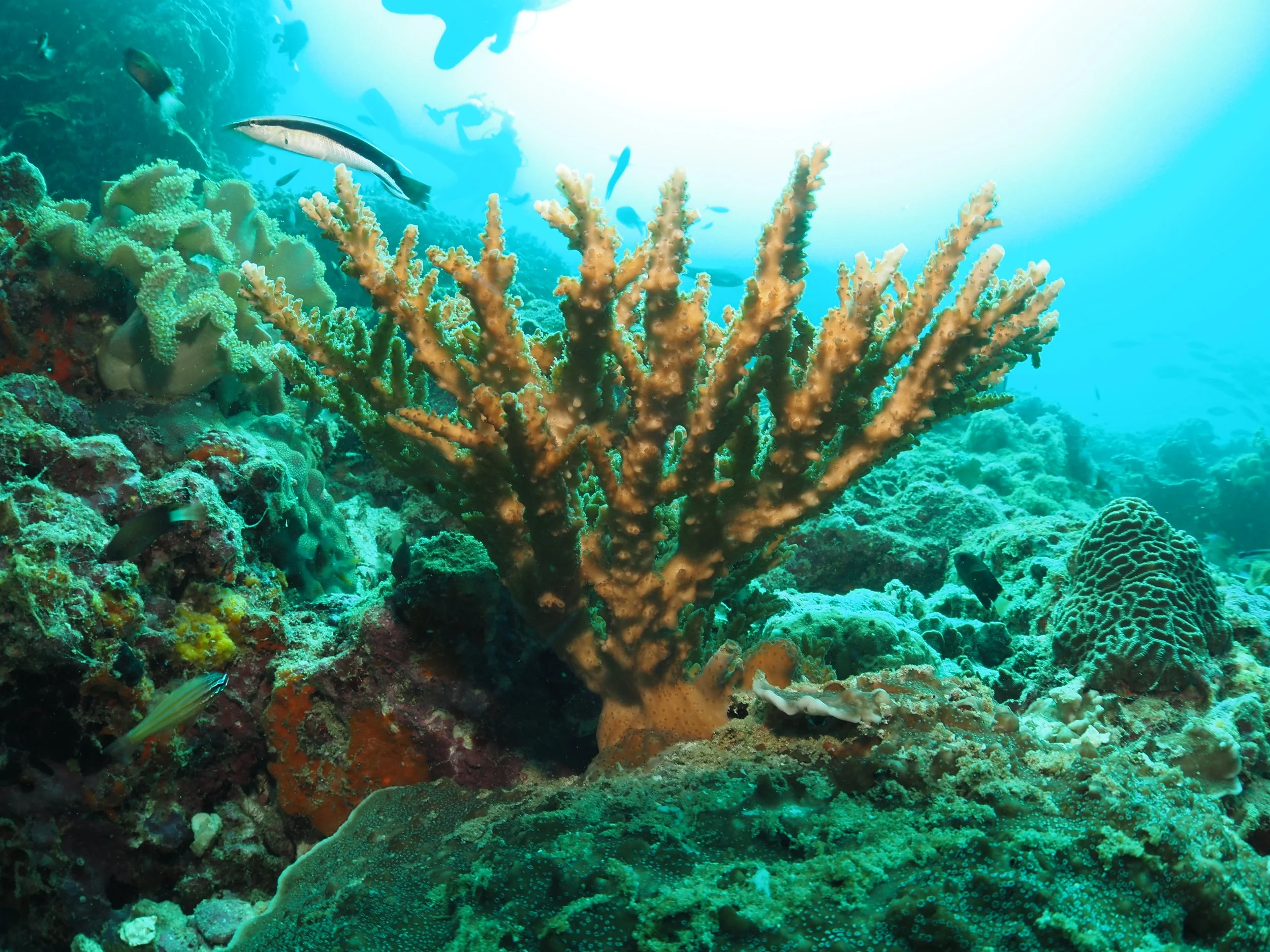
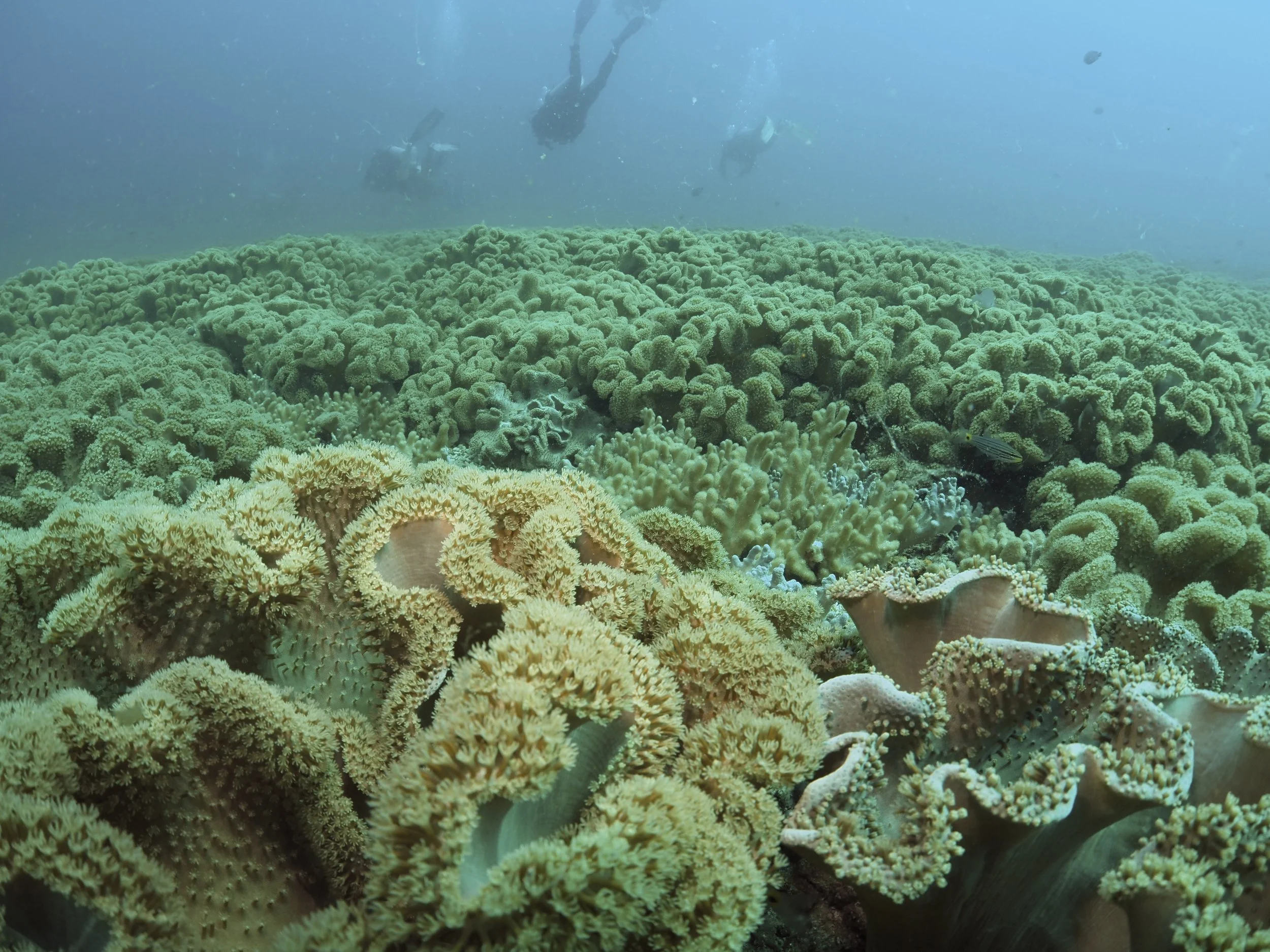
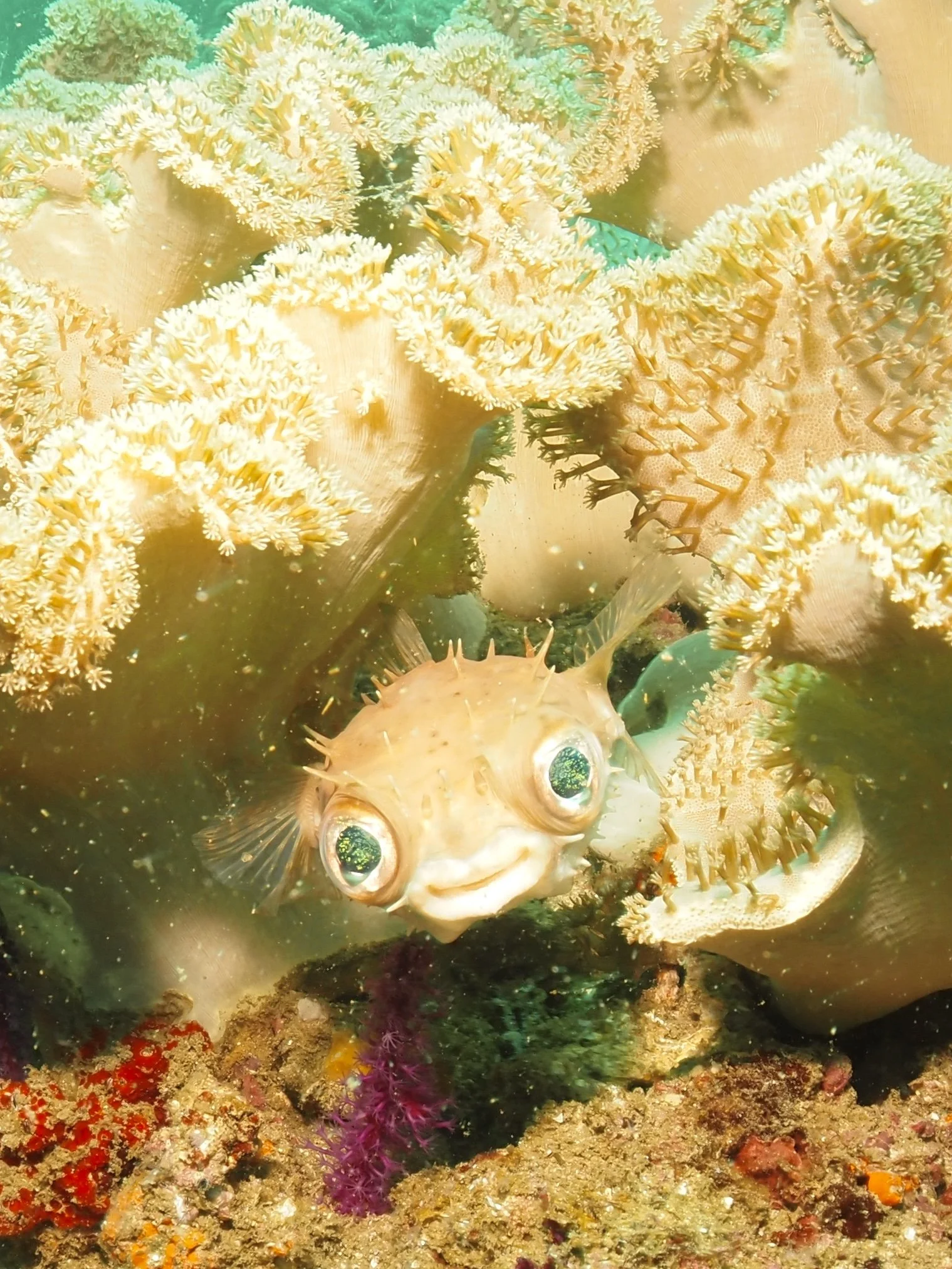
The Islands are a striking barren rocky landscape, with bright white sand beaches nestled in little coves (reminding me a little of the Galapagos Islands). These numerous coves provide calm waters for the snorkel and novice dive experiences. My first dive was in one of these coves at a site called Black Tip in the Eastern Islands. It was actually my favourite dive of the 4 that I did. The dive starts off in the sheltered shallows, then heads a little deeper towards the outside of the cove. I was pleasantly surprised by the healthy live coral coverage, expansive soft coral gardens, and tons of fish including schooling snapper, and several octopus. The other dives I did over the 2 days were Noodles (Eastern Islands), and Sierra and Walid Junn (Western Islands). The boat entry and exit at the Western Island dive sites were a lot more exposed, and with the swell on those days it made getting back on the boat a bit more difficult. Although not as much live coral cover at these other 3 sites, there was still plenty of fish life to see including schooling catfish, some large pufferfish, lionfish, scorpionfish, morays and plenty of reef fish. There was even a few cheeky appearances by sea turtles at Walid Junn, and surprisingly many octopus sightings at all the sites - including one walking out in the open, fending off attacking damselfish! I had hoped to see whale sharks and leopard sharks on this trip. With the swell crushing my chances with the whale sharks, I was holding out hope for a leopard shark and dutifully checked under rocky overhangs and behind boulders as I cruised over the seabed. But, it seems the leopard sharks are a bit more elusive than you’d hope. Our dive boat was split in to 3 groups of divers (~4 divers per group with 1 divemaster) and the group in front of mine spotted a leopard! But sadly, it had scarpered before we reached that point. Here’s your friendly reminder to please respect the wildlife and resist the urge to stick your GoPro in their face! This way, they may stick around for other divers to enjoy them (from a distance).
The dive boat provided lunch between the first and second dive. Usually the lunch will be a beach picnic, but during the turtle nesting season (May 1 - November 1) the islands are closed to people and lunch is served on the boat. As a turtle nesting site, turtles are frequently seen in the water, especially by the snorkellers. If you have non-diving friends or family with you, they can opt for a snorkel trip to the islands. There are plenty of snorkel tour operators at Al Mouj. I was visiting Oman with my Mum who was keen to join a snorkel trip. This was another pro for Mola Mola as they also offer snorkel tours, so we were able to head to their dive centre together in the morning, and venture out on our respective dive and snorkel boats. We both found the Mola Mola dive and snorkel guides and boat captains to be really friendly and welcoming. I particularly liked that the dive guides on my boat Juan and Morgan were respectful to marine life and championed good dive practices. They also told me about Mola Mola’s clean up practices, where they close up shop for a day and clean up some of the dive sites at the Islands - unfortunately, even though the Islands are protected, ghost nets and monofilament fishing line frequently appear. On just my 2 dives at the Western Islands I saw at least 5 ghost nets entangles in the coral and stretching between coral outcrops. It was really sad to see, and quite concerning to see a sea turtle resting in between two of these ghost nets. So, kudos to Mola Mola for making the effort to remove as many of these nets as they can!